Published May 12, 2026
Closing Costs Explained in Simple Terms: What Buyers Need to Know

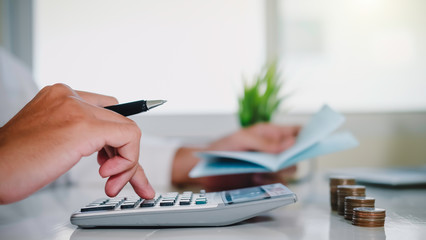
When you’re buying a home, most people focus on the down payment, but that’s not the only upfront cost you need to prepare for. Closing costs are another important part of the homebuying process that often surprise first-time buyers.
The good news? Once you understand what closing costs are and what they include, they become much less intimidating.
What Are Closing Costs?
Closing costs are the fees and expenses you pay to finalize your home purchase. These are separate from your down payment and are typically paid on the day you officially close on your home.
In most cases, closing costs range from 2% to 5% of the purchase price of the home.
For example:
- On a $300,000 home, closing costs may be roughly $6,000–$15,000
What Do Closing Costs Include?
Closing costs are made up of several different fees. Here are the most common ones explained simply:
1. Loan Origination Fees
This is what the lender charges to process and underwrite your mortgage.
2. Appraisal Fee
A professional appraisal is required to determine the home’s market value.
3. Credit Report Fee
Your lender pulls your credit report to evaluate your loan eligibility.
4. Title Insurance
This protects you and your lender against any ownership disputes or issues with the property title.
5. Escrow Fees
Escrow companies handle the transfer of funds and documents during closing.
6. Recording Fees
These are paid to your local government to officially record the sale and transfer of ownership.
7. Prepaid Costs
These are upfront payments for things like:
- Homeowners insurance
- Property taxes
- Mortgage interest (depending on timing)
Who Pays Closing Costs?
Both buyers and sellers may pay closing costs, but the breakdown depends on the contract and local customs.
Typically:
- Buyers pay most loan-related fees and upfront costs
- Sellers often pay real estate commissions and may contribute to buyer closing costs in negotiations
In some cases, sellers may offer a closing cost credit, which can significantly reduce what you pay out of pocket.
Can You Roll Closing Costs Into Your Loan?
In some situations, yes. Depending on your loan type and lender:
- You may be able to finance closing costs
- Or negotiate a seller credit to cover part of them
However, rolling costs into your loan means you’ll pay interest on them over time.
How to Prepare for Closing Costs
Here are a few smart ways to plan ahead:
✔ Start saving early
Treat closing costs as part of your overall homebuying budget.
✔ Ask for a Loan Estimate
Your lender is required to provide a breakdown of expected costs early in the process.
✔ Negotiate with the seller
In some markets, sellers may help cover part of your closing costs.
✔ Work with a knowledgeable agent
An experienced real estate professional can help you structure your offer strategically.
Why Closing Costs Matter
Understanding closing costs helps you:
- Avoid surprises at closing
- Budget more accurately for your home purchase
- Feel more confident throughout the process
Many buyers focus only on the down payment, but knowing the full picture ensures you’re truly financially prepared.
Final Thoughts
Closing costs are a normal part of buying a home, but they don’t have to be confusing. Once you understand what they include and how they work, you can plan ahead and move into your new home with confidence.
If you’re thinking about buying, having a trusted real estate professional and lender on your side can make the entire process smoother, and help you avoid unexpected costs along the way.